

frosted glass acid etching
The Versatility and Precision of Six-Sided Aluminum Alloy Angle Measuring Tools In the world of construction, woodworking, and engineering, precision is paramount. Accurate measurements can mean the difference between a successful project and costly errors. This is where specialized tools come into play. Among these, the six-sided aluminum alloy angle measuring tool stands out as a versatile instrument that enhances accuracy and efficiency in various applications. What Is a Six-Sided Angle Measuring Tool? A six-sided angle measuring tool is a geometric instrument used for determining angles and making precise measurements. Typically constructed from lightweight yet sturdy aluminum alloy, these tools are designed for both durability and ease of use. The six sides often feature different measurement scales, allowing the user to take a range of measurements without needing multiple tools. This multi-functionality is one of the key advantages of the six-sided design. Construction and Design The aluminum alloy construction provides a number of benefits. Aluminum is inherently resistant to corrosion and rust, making it ideal for both indoor and outdoor applications. Additionally, its lightweight nature ensures that users can handle the tool easily without compromising on sturdiness. The precise machining of the angles and edges ensures that users can achieve highly accurate measurements, which is critical in fields such as carpentry, masonry, and metalworking. Functionality and Use Cases One of the crucial features of the six-sided angle measuring tool is its ability to measure not just angles, but also lengths and depths. Different sides are often tailored for specific functions some sides may have protractor angles, while others may include inch and metric scales. For builders and carpenters, this tool can significantly speed up the process of layout marking. Instead of switching between distinct measuring devices, professionals can obtain all necessary measurements with a quick flip of the tool . Whether you are creating a complex angle for cabinetry or simply aligning a wall, having a six-sided measuring tool on hand ensures that you can obtain accurate results swiftly. six sided aluminum alloy angle measuring tool Engineers benefit from the precision offered by this type of tool as well. When designing components for machinery or structural elements, they rely heavily on accurate angles and measurements. The reliability of a six-sided angle measuring tool ensures that components fit together perfectly, which is essential for the integrity of the entire system. Advantages of Using Aluminum Alloy The choice of aluminum alloy over other materials like plastic or steel offers several advantages. Aluminum alloys are not only lightweight but also provide excellent rigidity and strength, which is crucial for maintaining accuracy over time. Unlike plastic tools, which may warp or bend, aluminum retains its shape, ensuring consistent measurement results even with repeated use. Additionally, the surface of aluminum can often be treated to enhance durability, providing a scratch-resistant finish that helps maintain visibility of measurement markings over long periods of heavy use. Maintenance and Care To maximize the lifespan of a six-sided aluminum alloy angle measuring tool, proper care is essential. After use, it is important to clean the tool to remove any dust, sawdust, or debris that may affect accuracy. A simple wipe with a damp cloth is often sufficient. Storing the tool in a protective case can prevent scratches and potential damage during transport. Conclusion In summary, the six-sided aluminum alloy angle measuring tool is an indispensable instrument for professionals and DIY enthusiasts alike. Its versatility, combined with the benefits of aluminum alloy construction, makes it a reliable choice for achieving precise measurements in various applications. As technology continues to evolve, tools like these will remain critical in ensuring that projects are completed with accuracy and efficiency, underscoring the importance of investing in quality measuring instruments. Whether you’re a seasoned professional or just starting, a six-sided angle measuring tool is a worthy addition to your toolkit, enhancing your ability to bring your architectural and design visions to life.
about
frosted glass acid etching
Understanding Steel Ring Gauges Precision Tools in Measurement In today’s manufacturing and engineering sectors, precision is paramount. One tool that has become indispensable for ensuring accuracy in measurements is the steel ring gauge. As simple as they may appear, these gauges play a critical role in various industrial applications, particularly in the quality control processes of products that require precise dimensions. This article seeks to explore the function, types, and importance of steel ring gauges in modern manufacturing. What is a Steel Ring Gauge? A steel ring gauge is a type of go/no-go gauge used to measure the dimensions of machined parts, particularly the external diameters of cylindrical components. Typically made from high-quality steel, these gauges can withstand abrasion and deformation, maintaining their precise dimensions under multiple uses. They are crafted to high tolerances, ensuring that any manufactured part can be accurately assessed against the standard dimensions defined by the gauge. Functionality The primary function of a steel ring gauge is to ensure that a manufactured component meets specific size and tolerance requirements. The gauge is designed with two distinct parts the 'go' ring and the 'no-go' ring. The 'go' ring should fit the part perfectly if it meets the required dimensions, indicating that the part is within specifications. Conversely, if the 'no-go' ring fits onto the part, this signifies that the part exceeds the allowed dimensions and is hence unacceptable. Using steel ring gauges is straightforward. An operator will first check the component against the 'go' ring. If the component fits, they will then check against the 'no-go' ring. This binary assessment simplifies the quality control process, allowing for swift and accurate measurements while minimizing the risk of human error. Types of Steel Ring Gauges Steel ring gauges come in several types, tailored for different measurement requirements. The most common forms include 1. Plain Ring Gauges Used for measuring external diameters with straightforward go/no-go functionality. 2. Thread Ring Gauges Specifically designed for measuring the external threads on components, ensuring they meet the required specifications. 3. Tapered Ring Gauges Employed for situations where components possess conical shapes, providing the ability to measure angles as well as diameters. steel ring gauge 4. Combination Gauges These versatile tools can measure multiple aspects of a component, including both internal and external dimensions, providing a comprehensive assessment. Each type of gauge serves a unique purpose and is selected based on the specific requirements of the manufacturing process. Importance of Steel Ring Gauges The implications of using steel ring gauges in manufacturing extend far beyond mere measurements. They are vital for several reasons 1. Quality Assurance Steel ring gauges provide a reliable benchmark for quality control, helping manufacturers produce components that meet industry standards. This ensures the end product is functional, safe, and reliable. 2. Cost Efficiency By facilitating immediate detection of out-of-spec components, these gauges reduce waste and save time. Manufacturers avoid the costs associated with reworking or scrapping defective parts. 3. Consistency and Reliability Regular use of steel ring gauges contributes to the consistency of production. Components manufactured over time will adhere to the established dimensions, promoting uniformity in large production runs. 4. Compliance with Standards Many industries are subject to strict regulations and standards. Using calibrated steel ring gauges ensures compliance with these standards, protecting manufacturers from legal challenges and enhancing their market reputation. Conclusion In conclusion, steel ring gauges are a cornerstone of precision measurement in manufacturing. Their simple yet effective design allows for the accurate assessment of components, ensuring quality and compliance with stringent industry standards. As industries continue to evolve, the role of steel ring gauges will remain pivotal, underscoring the importance of precision in the quest for manufacturing excellence. By investing in high-quality measuring tools like steel ring gauges, manufacturers not only enhance their operational efficiency but also ensure the production of superior products.
-

High quality industrial productsagement

High quality industrial products
View Details -

Meet the diverse needs of customers

Meet the diverse needs of customers
View Details -

Strict quality control

Strict quality control
View Details -

Top raw materials

Top raw materials
View Details -

Trusted supplier

Trusted supplier
View Details
Our application

news and information

Vanne d'arrêt de 4 pouces
Vanne à Globe de 4 Pouces Caractéristiques et Applications Les vannes à globe sont des éléments ess
water check valve
Understanding Water Check Valves Function, Types, and Importance Water check valves play a crucial r
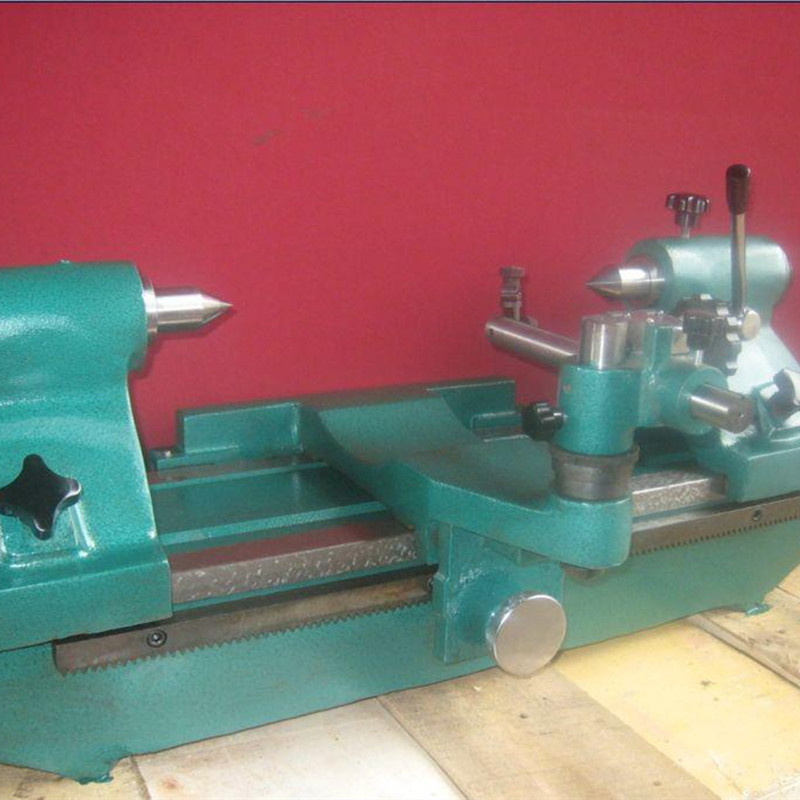
Versatile Clamps for 16mm Welding Tables to Enhance Your Metalworking Projects
Understanding 16mm Welding Table Clamps A Comprehensive Guide Welding is a fundamental process in me
 English